
Classes
World of Warcraft: Forever class and specialization overview: revamped kits, role expectations at level 60, and the new combos such as Forsaken Paladin and Dwarf Shaman.
Introduction
Classes are where Forever's design philosophy shows most clearly. Because the level cap stays at 60, a specialization's identity has to carry the entire endgame, so Blizzard revisited how each kit contributes to a group instead of adding another tier of talent bloat. The practical questions are therefore about role coverage and group utility: which classes can tank or heal the nine announced dungeons, which bring crowd control that matters in battlegrounds, and how the newly unlocked race combinations change faction composition. This section covers each class at a conceptual level, the roles it can fill in a level 60 group, and the notable combinations such as Forsaken Paladin and Dwarf Shaman. Detailed talent math is still arriving with the beta, so treat role guidance as structural and watch for updates as tuning settles.
Class Roles and Combinations
| Class | Primary Role | Group Value | Status |
|---|---|---|---|
| Paladin | Tank / Healer / Damage | Flexible support plus newly unlocked Forsaken option | S |
| Mage | Ranged Damage | Control and utility for dungeon and battleground play | S |
| Shaman | Healer / Damage | Totem support with the new Dwarf combination | A |
Class Profiles
Paladin
Tank, healer and damage in one slot
Mage
Ranged damage with control and utility
Shaman
Totem support with the new Dwarf combination
Core Mechanics
Class mechanics in Forever follow three principles. First, role responsibility is explicit: tanking and healing kits are tuned so that five-player groups can clear the announced dungeons without relying on an overgeared carry. Second, utility is distributed rather than concentrated, which means crowd control, interrupts and group buffs are spread across damage specializations so compositions are not locked to one meta build. Third, race combinations expand the roster rather than gating it, so a faction can now field roles it previously lacked. Because the cap holds at 60, a class's identity is defined by what it does in an instance or battleground rather than by how fast it levels. Blizzard has not published full talent trees or ability coefficients yet, so the guidance here focuses on structural role fit, with numbers to follow once the beta client is datamined and tested.
Advantages
Planning a class around Forever's level 60 design has a clear payoff: you invest once and the character stays relevant. There is no expansion tier waiting to invalidate your spec, so a well-chosen main keeps contributing through the nine dungeons, two raids and Honor progression without a reroll every cycle. The expanded race combinations also mean fewer compromises, since players who love a particular race can now reach the class they actually wanted, such as a Forsaken Paladin or Dwarf Shaman, instead of settling for a second choice. Flexible classes gain additional value because small groups can cover multiple roles with one character, and the three-role hybrids are especially efficient for players who group with a fixed set of friends rather than pugging every run.
Challenges
The uncertainty is real. Blizzard has described class revamps and highlighted a few combinations, but full talent trees, ability tuning and encounter-specific balance are still in flux, so any tier list produced today is an educated guess rather than settled fact. Players who enjoy optimizing at the margins will need to wait for beta and live data. There is also a practical cost to the flat cap: because gear and system progress carry so much weight at 60, an undergeared character feels weaker than the level number suggests, and the gap between a fresh 60 and a geared one is entirely about instance and Honor investment. Finally, the new combinations mean established faction metas will shift, so advice copied from classic-era sources may no longer apply.
Frequently Asked Questions
Which class should a returning player pick in Forever?+
How do the new race and class combinations change group building?+
Are class abilities in Forever different from the original game?+
Quick Tips
Choose a role you can play for years, not levels. With the cap fixed at 60, your specialization is a long-term commitment rather than a stop on the way to a new expansion. Pick the role you genuinely enjoy in group content, because that is what you will do in the nine dungeons, the two raids and battleground Honor play rather than a temporary leveling build.
Value utility over raw output when in doubt. Forever distributes crowd control, interrupts and group buffs across damage specializations, so a slightly lower damage spec that brings control can be more useful in a five-player dungeon or a battleground than a pure numbers pick. Check what each class contributes to the group before ranking it on output alone.
Confirm the race combination before committing. Newly unlocked pairings such as Forsaken Paladin and Dwarf Shaman change what each faction can field, so the fastest way to your preferred class may now be a race you had not considered. Cross-check the races page so you build a character plan that is legal after launch.
Featured

World Of Warcraft: Forever Classes Tier List & Class Guides
Explore World of Warcraft Forever classes with our tier list and in-depth class guides, covering the best picks, revamps, and tips for launch.

World Of Warcraft: Forever Warrior Talents Overview & Class Guide
World Of Warcraft: Forever Warrior talents guide covering 2026 launch details, level cap 60, new Skyborne race, dungeons, raids, and updated zones for all classes.

World Of Warcraft: Forever Stat Priority & Hybrid Spec Builds
World of warcraft forever stat priority meets hybrid specs, with class comparisons, gear tips, and the easiest leveling picks for 2026.
All Articles

World Of Warcraft: Forever WoW Forever Hunter Class Guide
Complete WoW Forever Hunter guide covering talents, leveling builds, and best pets from launch on 2026-11-04 through the 60 level cap.

World Of Warcraft: Forever Shaman Talents & Class Changes Guide
World of Warcraft: Forever Shaman talents, new combos, and updated rotations explained ahead of the November 2026 launch. Beta begins September 17, 2026.
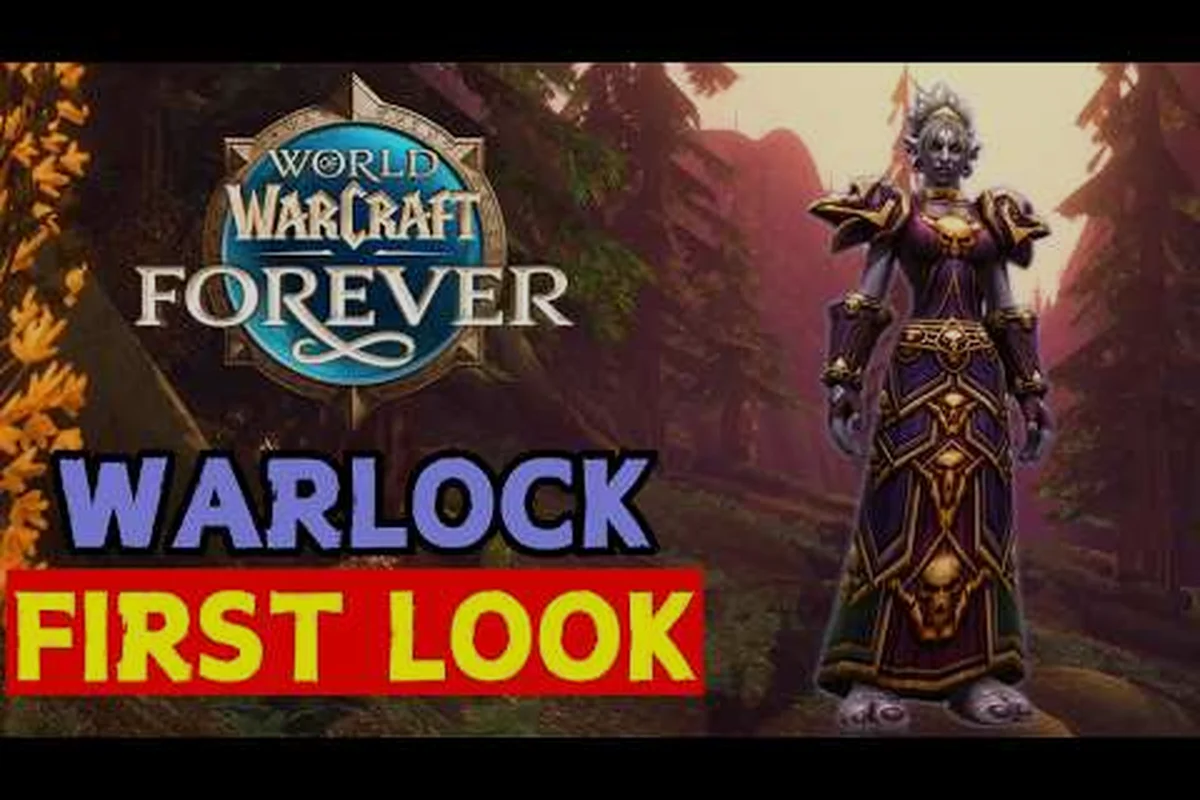
World Of Warcraft: Forever Specs, Class Roles & Build Blueprints
Explore world of warcraft forever specs with the best tank, healer, and dps picks, plus talent builds for leveling, endgame, and the Skyborne on Zephras Isle.

World Of Warcraft: Forever WoW Forever Support Specs Tier Guide
Explore WoW Forever support specs with our tier guide covering class fantasy, best race combos, top meta picks, and specializations to play in 2026.